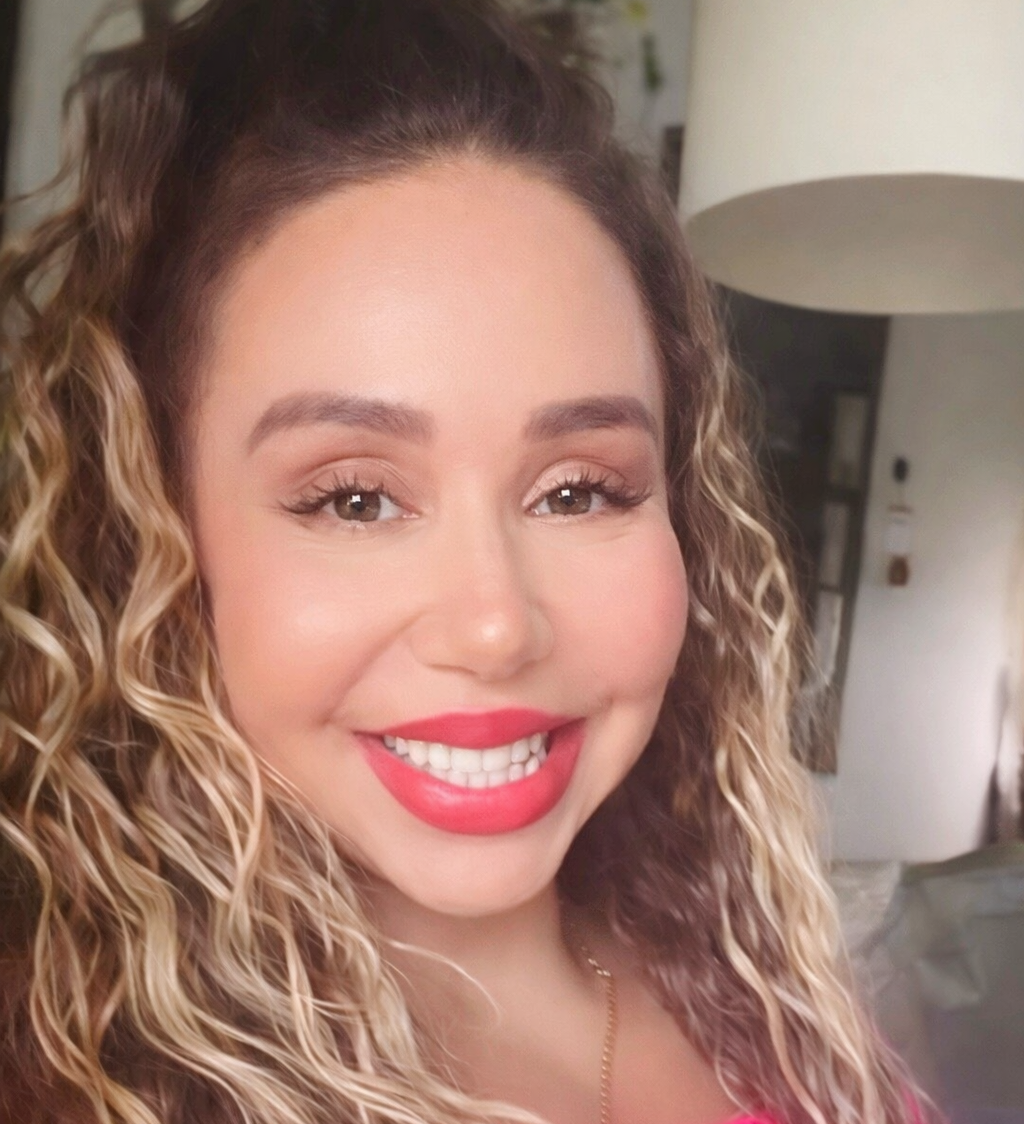
Maria Mejia is an HIV activist, educator, and CDC Ambassador who is a long-term survivor who has lived with HIV for over 38 years since acquiring the virus at age 15. A passionate advocate for youth, women, and communities of color, she brings her lived experience as a Latina woman who navigated HIV without treatment or support as a teenager to her role as Global Ambassador and Community Advisory Board member for The Well Project, where she works to dismantle stigma, expand access to testing and treatment, and ensure young people living with HIV have the education and care she didn’t have when she needed it most.
Q: You acquired HIV at the age of 15. Looking back, what do you wish you had known about HIV prevention and testing when you were a teenager – and what would you say to a young person today who thinks HIV doesn’t affect people like them?
A: To be honest, I contracted HIV at the age of 15 in 1988, but I didn’t know I had HIV. It was through my first boyfriend, and he didn’t know he had HIV either—we were both teenagers. I found out later when I entered a program called Job Corps in Kentucky.
A great deal of what led to that moment was rooted in trauma. I am a survivor of childhood sexual abuse and grew up in a home marked by violence. I eventually entered the foster care system and spent time on the streets as a young person. Back then, there was virtually no HIV prevention information reaching youth like me — no targeted campaigns, no messaging that felt relevant to my life. What I saw in the media portrayed HIV as something affecting gay white men in San Francisco. That was the dominant narrative. So even though I had some general awareness, it didn’t feel like something that applied to me.
What I wish I had known then is what I know now. But more than information, I wish I’d had someone who looked like me — someone I could point to and say, “There is hope.” Because there is.
My message to young people today is this: HIV is not a death sentence, but it is a life sentence. There are tools to prevent HIV — PrEP, protection, testing. There are resources available. I urge young people to get educated, to protect themselves, and to love themselves. Your body is your temple. When you’re young, it can feel like nothing can happen to you — but that’s not reality. And if someone does receive an HIV diagnosis, I want them to know that there is hope. You can get on treatment, become undetectable, and not transmit HIV to others. But prevention is key, because this is not an easy road — especially given the weight of stigma, which remains one of the most serious barriers to care.
Q: AIDSVu data shows that young people aged 13–24 accounted for 18% of new HIV diagnoses in 2023, yet only 28% of 18–24-year-olds reported ever being tested for HIV – well below the national average of 37%. Why do you think so many young people are still not getting tested, and what does it take to break through that barrier?
A: It starts at home. We need to have honest conversations with young people about sexual health. I come from a deeply conservative household where sex was not discussed. And if schools are not providing comprehensive sexual education — sometimes not even permitting discussions about contraception or prevention tools, then where are young people expected to learn?
We are also living in a moment where many young people are navigating depression, limited outlook, substance use, and highly sexualized environments without adequate support or information. Without proper education, they are not equipped to protect themselves. It starts at home, and it must continue in schools. When we fail to provide that education, we leave young people vulnerable.
Q: The data shows that Black youth make up 47% of new HIV diagnoses among 13–24-year-olds, despite representing just 14% of that age group. As a Latina woman and co-founder of the first Latinx positive people’s network in the U.S., how do you think about the intersection of race, ethnicity, and youth HIV risk — and what does culturally competent outreach look like in practice?
A: Communities of color continue to be disproportionately affected by HIV, and the reasons are deeply structural: lack of education, poverty, stigma, language barriers, and inadequate access to resources. I have had young people ask me, “What is HIV?” — which reflects just how much critical information is still not reaching communities in the ways it should.
There is also significant stigma within communities of color, sometimes more pronounced than in other communities, and that stigma prevents people from seeking testing or care. Mental health, substance use, trauma, and intimate partner violence all intersect and compound vulnerability.
Culturally competent outreach means meeting people where they are — going into communities, communicating in the languages people speak, understanding the realities they live, and actively working to reduce stigma. It also means resisting the tendency to frame HIV as something that only affects one group. When that happens, people disengage, thinking, “That’s not me.” That was exactly my experience as a young person. We need to humanize HIV by centering real people and real stories, ensuring that campaigns are inclusive of all communities, while still prioritizing those most impacted.
Q: In 2023, young people living with HIV were among the furthest from reaching the 2030 Ending the HIV Epidemic goal of 90% viral suppression – with rates ranging from 65–70% across age groups. You went nearly a decade without treatment yourself before reaching a crossroads. What do you think it takes to help young people stay engaged in care and stay on treatment?
A: I went 10 years without access to treatment. After learning I had HIV, I returned to Colombia, where there was no support, no treatment, and no one I knew living with HIV. By the time I came back to the United States, I was critically ill — facing cancer and a severely compromised immune system, which was my turning point.
Today, treatment looks very different. The medications are far more advanced, with fewer side effects. I am undetectable, my health is stable, and I live a full life. One of the most significant barriers to care remains distrust of the medical system which is why we need bridges. We need people with lived experience who can connect communities to care in ways that feel safe and credible.
When people see someone like me, they trust the message. They get tested, they seek care, and they stay on treatment. Achieving that requires a team — mental health support, community outreach, advocacy, responsive providers, and community voices all working together to keep young people meaningfully engaged in their own care.
Q: For a young person who was diagnosed with HIV today – what do you want them to know? And what resources or communities would you point them to first?
A: I want them to know there is hope. I have been living with HIV for nearly 38 years. I stay active, I travel, and I live my life fully. You can live a long, healthy, and productive life with HIV.
There are many resources available today. You can find support through organizations like The Well Project, PWN, TheBody.com, and many others. Online communities and social media can also be powerful sources of connection and support. Get tested, get into care, and attend to both your mental and physical health. Love yourself — because you cannot fully show up for anyone else if you don’t first show up for yourself. Life will present challenges, but the capacity to rise from them is what defines us.