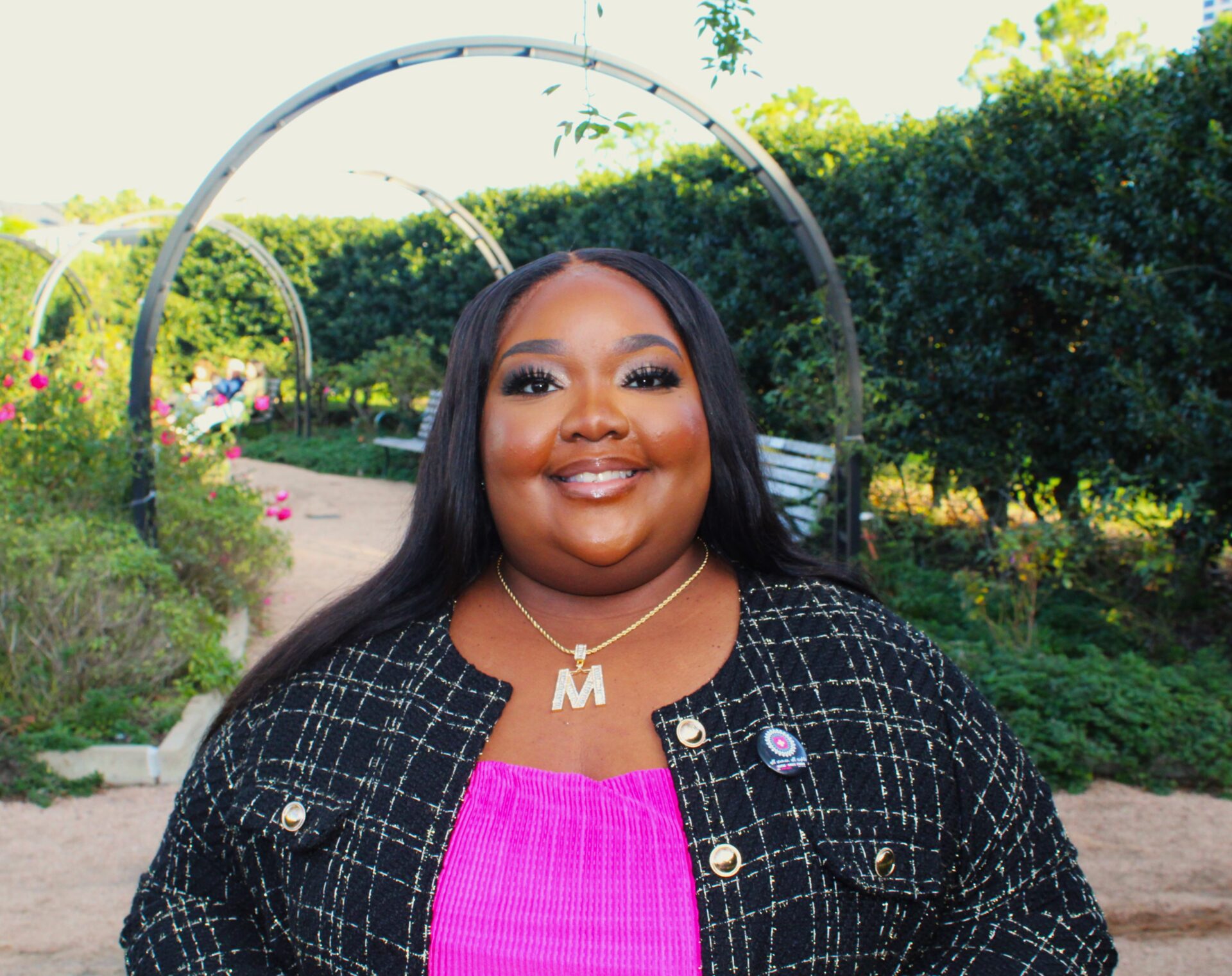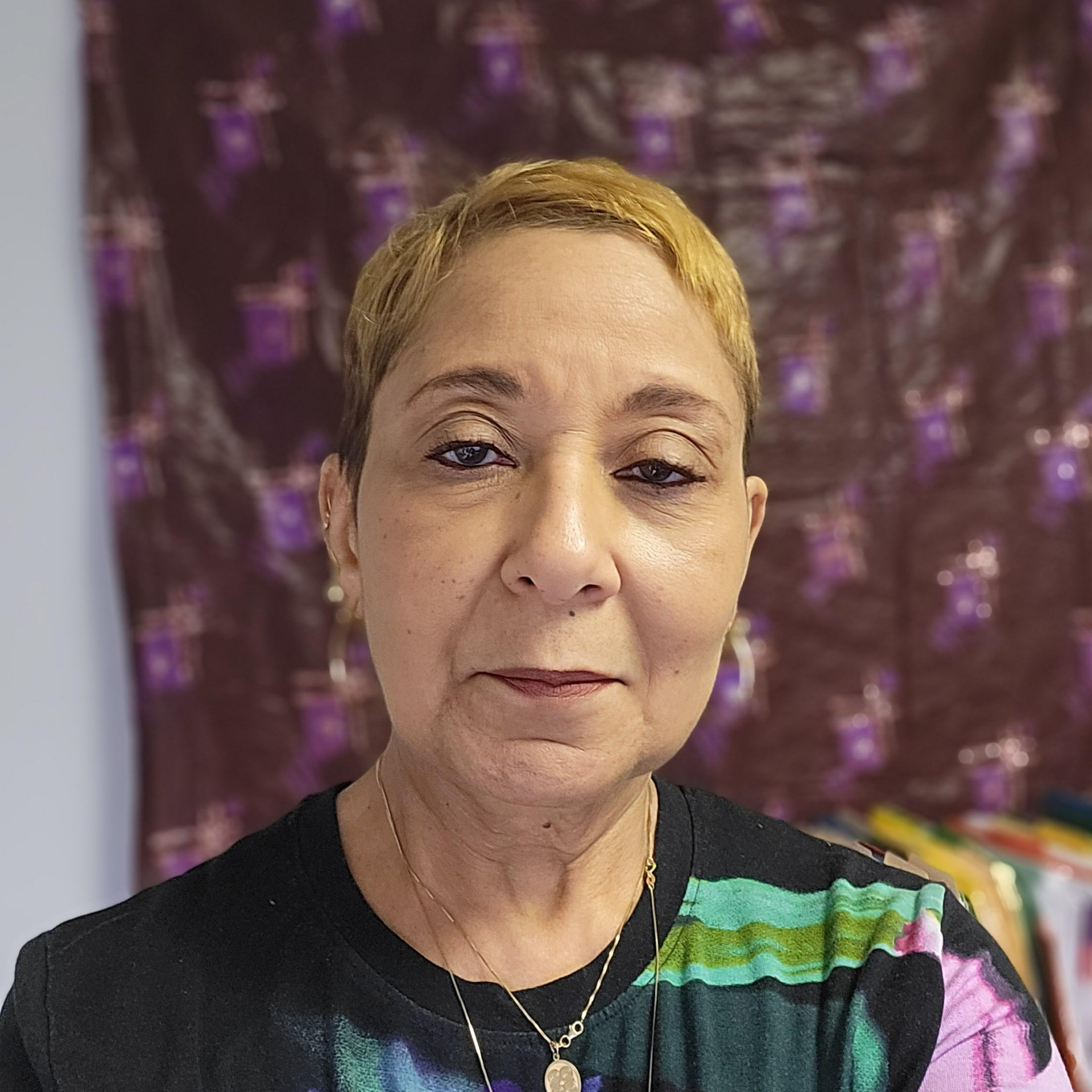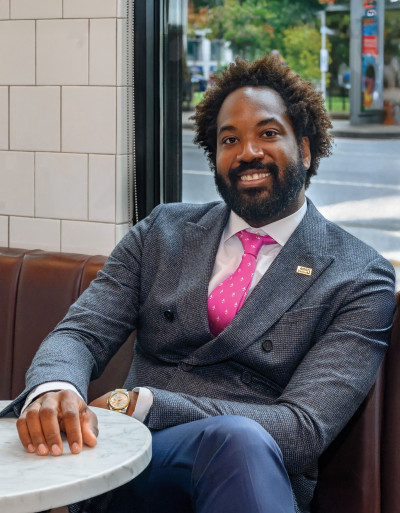
Valerie Rochester is the Executive Director of The Women’s Collective, a Washington, DC-based health and human service agency providing prevention, care, and support services for women and families affected by HIV/AIDS. A dedicated public health strategist with more than two decades of experience, she brings deep expertise in health equity, grantmaking, and community-centered programming to her leadership, focusing on advancing the health and wellbeing of women and girls and ensuring the communities most impacted are at the center of the work.
1. You’ve spent more than two decades as a public health strategist focused on HIV and women’s health; what first drew you into this work, and how have you seen this space change over time?
My public health journey started when I was living in Indianapolis, just a few years out of college. I was a journalism and mass communication major working as public affairs director at a social service agency when Ryan White was fighting for the right to attend school in Kokomo, Indiana. The challenges he and his family faced in my home state felt deeply wrong to me, and I decided to learn as much as I could about HIV/AIDS. I became one of the first people in Indiana trained by the American Red Cross as an HIV/AIDS trainer for their African Americans and HIV/AIDS Education Program, and I have been working in this movement ever since. Over the years, the work has grown and changed significantly, but the most exciting part for me remains engaging in how the movement can be most responsive to the needs and concerns of Black women, and doing so from a “whole woman” approach that considers their needs across the entire life course.
2. You’ve led major portfolios at organizations like AIDS United, the Black Women’s Health Imperative, and Creating Healthier Communities; howhave those experiences shaped the lensyou’re bringing to The Women’s Collective (TWC)?
My work with these national organizations has deepened my commitment to advancing and integrating health equity and social justice frameworks into every aspect of my public health approach. I’ve also seen that there is still no widely shared understanding of what health equity truly means. Health equity is not about being fair or equal; it is about ensuring that people and communities have what they need to live and be well. I bring that lens to all aspects of my work, especially when building programmatic and health education initiatives, and I am intentional about grounding our responses in an asset-based approach that centers the communities we serve.
3. What are the first two or three concrete priorities you’re focusing on in your first year leading TWC, particularly as they relate to women and girls affected by HIV in DC?
When I stepped into this role 10 months ago, I had many ideas and plans, but quickly realized I needed to prioritize and develop a thoughtful growth strategy. That strategy had to both sustain the organization’s strong 35-year legacy and position it for the next 35 years.
My first priority—one shared by many similar organizations in the current funding environment—is to keep TWC’s financial health on solid ground. Securing multi-year programmatic and general operating support and diversifying our funding base are central to that goal.
Another priority is ensuring that Black women and girls, and other women of color, are centered in every aspect of planning for their health and wellness—not only their HIV-related needs, but their physical, emotional, and social well-being. I am also focused on strengthening TWC’s role within the broader DMV ecosystem of care so that we can more effectively address unmet social drivers of health.
4. What does meaningful community partnership look like to you in DC – for example with schools, faith communities, or youth-serving organizations – when it comes to HIV education and prevention for women and girls?
Through my work in women’s health, public health, and HIV at both local and national levels, I’ve developed a community engagement model that guides how I build partnerships with like-minded organizations across DC.
First and foremost, it is important to remember that public health work is “people work” and to acknowledge and embrace the value of current and potential partners and the members of communities in which we work. It is important to be responsive to what is happening in communities, and most importantly to the people in communities. We embrace the following when seeking out and establishing meaningful community/public health and health equity partnerships:
- Mindful and responsive – We intentionally seek out partnerships with organizations and groups that are responsive to community perspectives and insights and focus on the importance of co-creating strategies and programs with community members, and foster trust.
- Evidence and Data Driven – We collaborate with partners committed to using research and data to understand impact, strengthen practice, and support ongoing funding, while contributing to the knowledge base of what works.
- Equity and Justice Focused – We work with partners who are addressing access barriers and the systemic, social, and structural factors that shape health and wellness in communities most affected by the social drivers of health.
5. Where do you think we’ve made the most progress for women and girls in HIV prevention and care, both across the country and in DC specifically, and where do you see the most pressing gaps or challenges that still need to be addressed?
We have made important progress in linking HIV prevention services—such as tailored health education, testing access, and awareness of and access to PrEP—with related social support, sexual health, maternal health services, and community-focused care. These integrated strategies have helped reduce some of the barriers women face when trying to access care.
At the same time, significant gaps and challenges remain, many of which are beyond the immediate control of community-based organizations and remain under-resourced. Even with strong evidence for integrated health and wellness services for women, key access points for sexual and reproductive health are under constant threat, and that instability directly affects a woman’s ability to protect her own health and wellness.
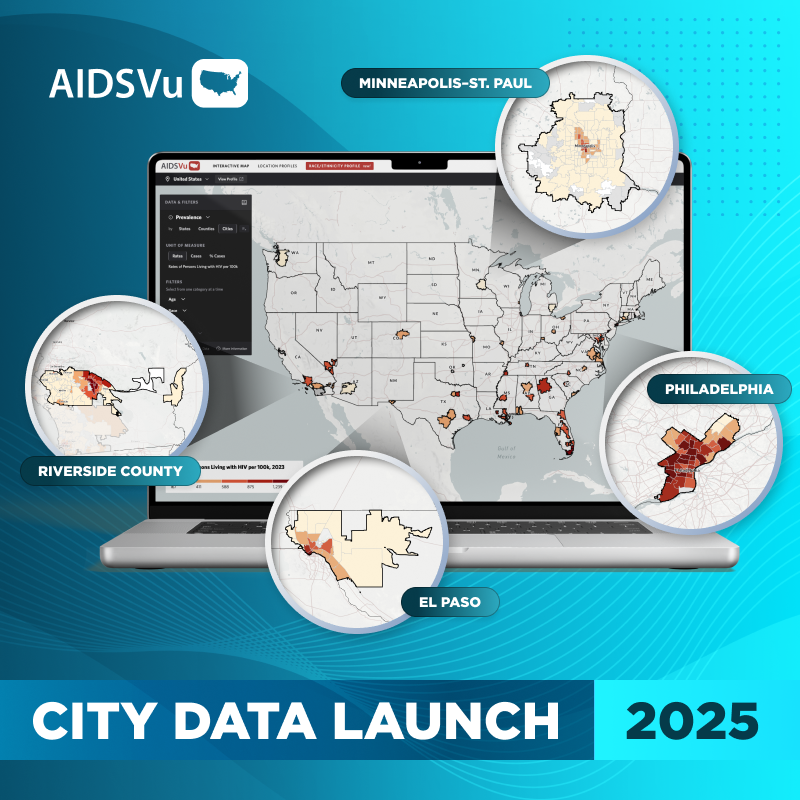
6. The AIDSVu maps let us stratify Washington DC data by sex, race, and age, and they consistently show that Black residents and women are both disproportionately affected by HIV. How does that reality shape how TWC designs services and outreach for women and girls in DC?
The AIDSVu maps for Washington, DC underscore what we have long known: HIV does not impact all communities in the same way. For TWC, this data affirms that the work the organization has carried out since the mid-1990s under founding executive director Patricia Nalls remains as relevant as ever. This data is not abstract for us—it directly informs how we design and implement services, partnerships, and outreach strategies for women and girls across DC.
We have always centered women and girls in program design by:
- Designing culturally responsive programs led by staff and peer educators who reflect the communities we serve.
- Addressing stigma related to HIV, sexuality, and gender within Black communities.
- Engaging trusted community institutions such as faith-based groups, neighborhood organizations, beauty salons, and schools.
The disparities highlighted in the AIDSVu maps will continue to drive TWC to provide outreach, education, and services that confront the inequities fueling HIV-related risk among women and girls in DC.