Community Is the Cure: A Conversation About HIV Vaccine Research and What It Takes to Get There
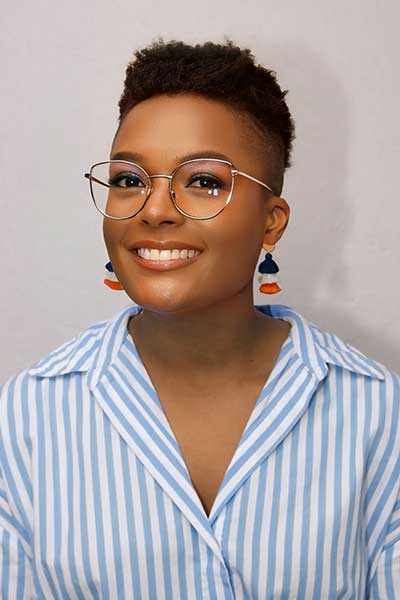
Jarissa Greenard is a Community Educator and Recruiter at the Vanderbilt University Medical Center HIV Vaccine Program, where she builds relationships across the Greater Nashville community to encourage diverse participation in HIV vaccine prevention clinical trials. As part of Vanderbilt’s participation in the HIV Vaccine Trials Network (HVTN), she serves as a bridge between researchers and the communities they serve — centering transparency, informed consent, and dignity in her work. Jarissa believes that ending HIV requires bringing together all types of people, expertise, and lived experience, and that community trust is as essential to vaccine development as the science itself.
The documentary Ending HIV: The Journey to a Vaccine spans 25 years of scientific pursuit – breakthroughs, setbacks, and everything in between. What does that kind of long arc mean to someone doing the daily, ground-level work of community outreach and enrollment?
For me, the long arc, the 25-year journey, is a reminder that this work has always been bigger than any single study, any single moment, or any single institution. The documentary shows that HIV vaccine research has required persistence despite disappointment, especially when clinical trial outcomes did not meet expectations. At the same time, those moments are not failures. They are opportunities to learn what did not work, ask better questions, and build on past knowledge to move the science forward.
On the ground, this work translates into building trust, patiently and consistently, because community engagement is not separate from the science. It is part of the science.
Every conversation, every outreach event, every question answered with honesty helps sustain the research over time. That matters deeply to me because I have seen how trust grows through repetition, transparency, and presence. At the HIV Vaccine Program, I have worked to build strong community partnerships, lead education efforts, and support recruitment strategies designed to make research more understandable and more inclusive. That daily work is how a 25-year journey keeps moving forward.
The film makes a point that science can’t succeed without community as global collaboration and volunteer participation are just as essential as what happens in the lab. How do you make that case to someone who has never thought about joining a clinical trial?
I start by meeting people where they are. Most people are not waking up thinking they want to join a clinical trial. They are thinking about their family, their job, their safety, and whether they can trust the people asking for their participation. I explain that clinical research moves forward because every day people choose to be part of something larger than themselves. You do not need to be a scientist, an epidemiologist, or a researcher to contribute to science.
Science belongs to all of us, and there is a place for anyone who wants to be involved.
For some people, involvement might look like joining a study. For others, it could mean serving on a Community Advisory Board, sharing their lived experience, helping shape how research is communicated, or connecting research teams to community spaces and organizations. All of these roles matter.
I also make clear that participation is not about blind faith. It is about informed choice. My role is to give people the information, answer their questions honestly, and let them decide with dignity. That is why our work continues to emphasize that community-rooted public health, cultural humility, and trust-building are central to progress.
One of the most powerful themes in the documentary is trust – and the lack of it. Medical mistrust, particularly in Black and Brown communities, is a real and justified response to history. How do you address that directly in your work, and what does rebuilding that trust look like in these communities?
I believe the first step is to stop treating mistrust like a misunderstanding that can be explained away. In many Black and Brown communities, mistrust is rooted in history and lived experience. I address it directly by acknowledging that history, instead of avoiding it.
Rebuilding trust looks like consistency, honesty, and accountability over time. It means being clear about what a study is, what it is not, what the risks are, what the protections are, and what participants can expect. It also means making room for hard questions and never punishing skepticism. In my work, I facilitate community advisory spaces that bring researchers and community stakeholders together. I focus on simplifying complex science without overselling it.
I am also guided by prominent voices like Hope Giselle, a national organizer, author, and activist, who reminds us, “Hire from the communities that you serve… be the person to hire them and bring them into this space.” Trust is not just built through outreach. It is built through shared power, representation, and opportunity. That includes prioritizing hiring from the communities most impacted and compensating community experts for the knowledge and labor they bring to this work.
Trust is rebuilt when people see that their questions matter, their autonomy is respected, and their presence is valued beyond enrollment.
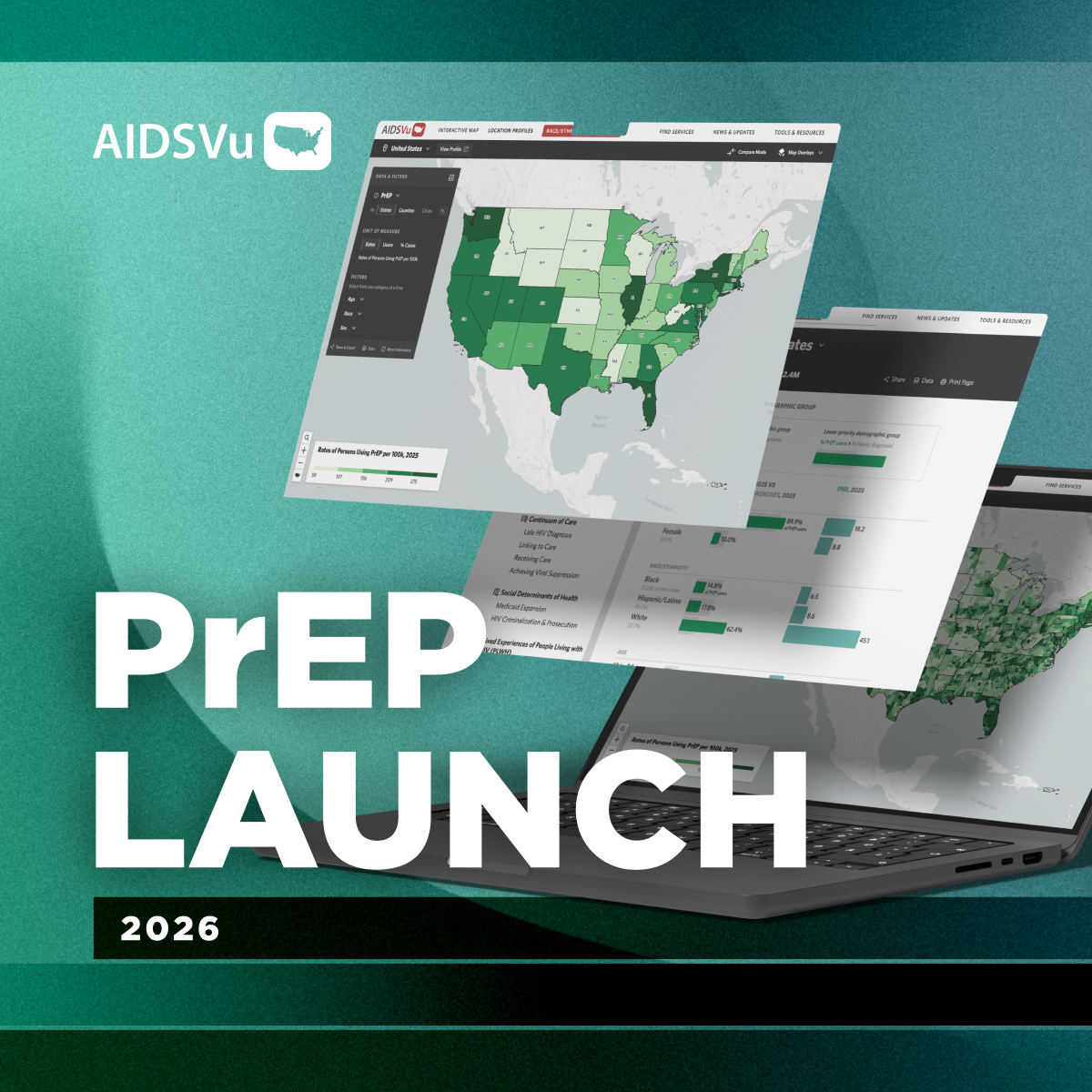
AIDSVu’s data consistently shows disparities in HIV rates by race, age, and geography. When you’re recruiting trials, how do you make sure the people most affected by those disparities are the ones represented in the research?
Representation has to be intentional.
AIDSVu’s tools show that HIV burden is not evenly distributed and that disparities can be tracked by geography and, for many indicators, by race, ethnicity, sex, and age. That means recruitment cannot be passive or generic. In my work, I focus on building relationships in the communities most impacted, partnering with trusted organizations, showing up in spaces that already serve priority populations, and tailoring messages so they are culturally relevant and understandable.
At the HIV Vaccine Program, advancing equitable community engagement strategies, by strengthening inclusive recruitment strategies, increasing study inquiries, and engaging underrepresented populations through community advisory board outreach, events, and education. Representation in research is not just about fairness. It is about scientific integrity. If the people most affected by HIV are missing from the research, then the research is incomplete.
We’re in a moment where vaccines broadly are facing skepticism and public health funding is under pressure. How does that environment affect your work, and what do you say to someone who is hesitant or discouraged right now?
Vaccine hesitancy absolutely affects the work because people do not engage with HIV vaccine research in a vacuum. They are bringing in broader fears, misinformation, fatigue, and real concerns about whether public health institutions deserve their trust. Funding pressure also matters because scientific progress depends on sustained investment.
What I say to people is this: Hesitation is not something to be ashamed of. Ask the question. Bring the concern. Slow the conversation down. My job is not to pressure anyone. It’s to provide accurate information and context.
I also remind people that HIV vaccine research is careful, highly regulated, and built on community participation and ethical oversight. At the same time, one of the most powerful aspects of science is its willingness to evolve. What we understand today can change as new data, new discoveries, and new questions emerge. There are systems in place to challenge bias, test assumptions, and refine what we know. Stepping away from research or reducing funding does not make the need disappear. It slows the possibility of better prevention tools. That is why I continue to center community engagement, advocacy, and education, especially in difficult moments.
HIV Vaccine Awareness Day is also a moment to recognize the volunteers who make this research possible. What do you want people to understand about what it means to participate in a trial – what they’re actually signing up for, what protections exist, and why it matters?
I want people to understand that participating in a trial is a serious and generous decision, but it is not a surrender of your rights. What participants are signing up for is a structured research process with informed consent, ongoing communication, and the ability to ask questions and make decisions throughout the process. Ethical protections are not an afterthought. Community advisory boards, ethics guidelines, research oversight, and informed consent processes all exist to help ensure trials are conducted responsibly and respectfully.
I also want people to know that participation matters because every advance in prevention has depended on volunteers. Some participants have returned for multiple studies over many years, and that level of commitment is extraordinary. They are not just helping researchers collect data. They are helping move the field closer to a future that could save lives. HIV Vaccine Awareness Day is a chance to honor that courage, that trust, and that partnership.
For those in Middle Tennessee who want to learn more or get involved, I encourage you to visit the HIV Vaccine Program at www.hivvaccineresearch.com. If you are curious about HIV vaccine research more broadly, you can also explore www.helpendhiv.org for additional information and resources.
If you would like to connect directly, feel free to reach me via email at jarissa.e.greenard@vumc.org or on LinkedIn at www.linkedin.com/in/jarissa-greenard.