NBHAAD started in 1999 as a grassroots education effort to promote HIV treatment and engagement with Black Americans. This year’s theme is “We’re in This Together,” which highlights the importance of social support — from friends, family, colleagues, and partners—when addressing HIV in the Black community. “We’re in This Together,” promotes the idea that we all have a role to play in ending the HIV epidemic.
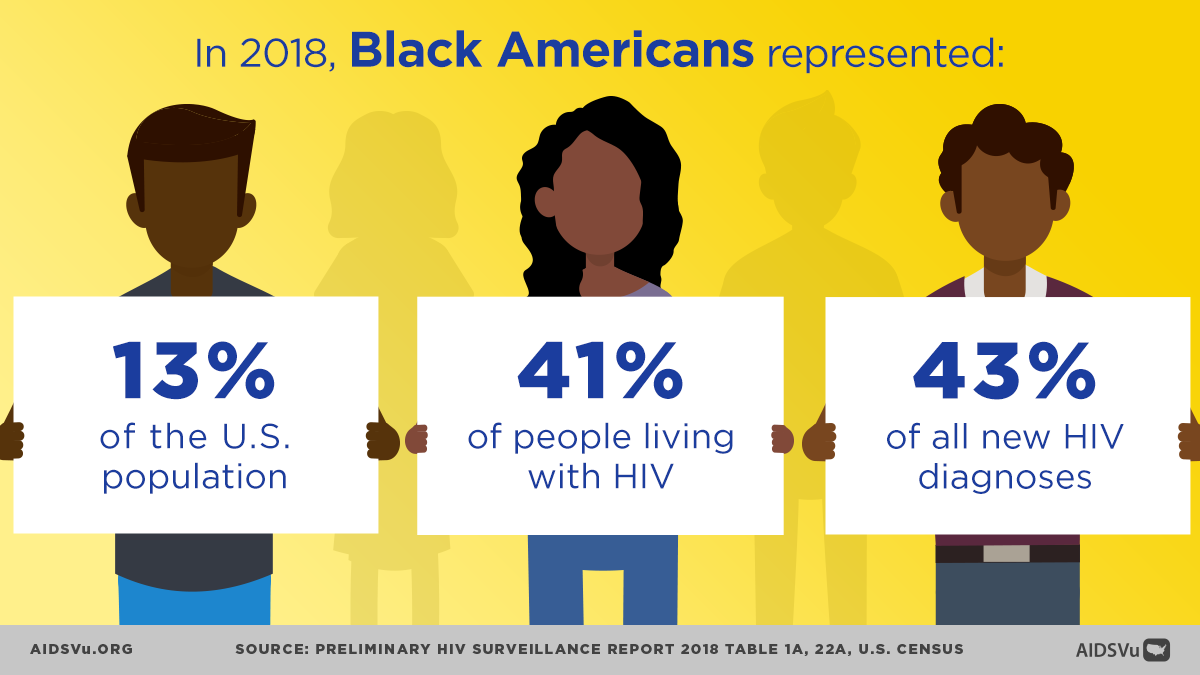
According to CDC, 16,076 Black Americans were newly diagnosed with HIV in 2018. That number represented 43% of all new HIV diagnoses in 2018, despite Black Americans comprising just 13% of the U.S. population.
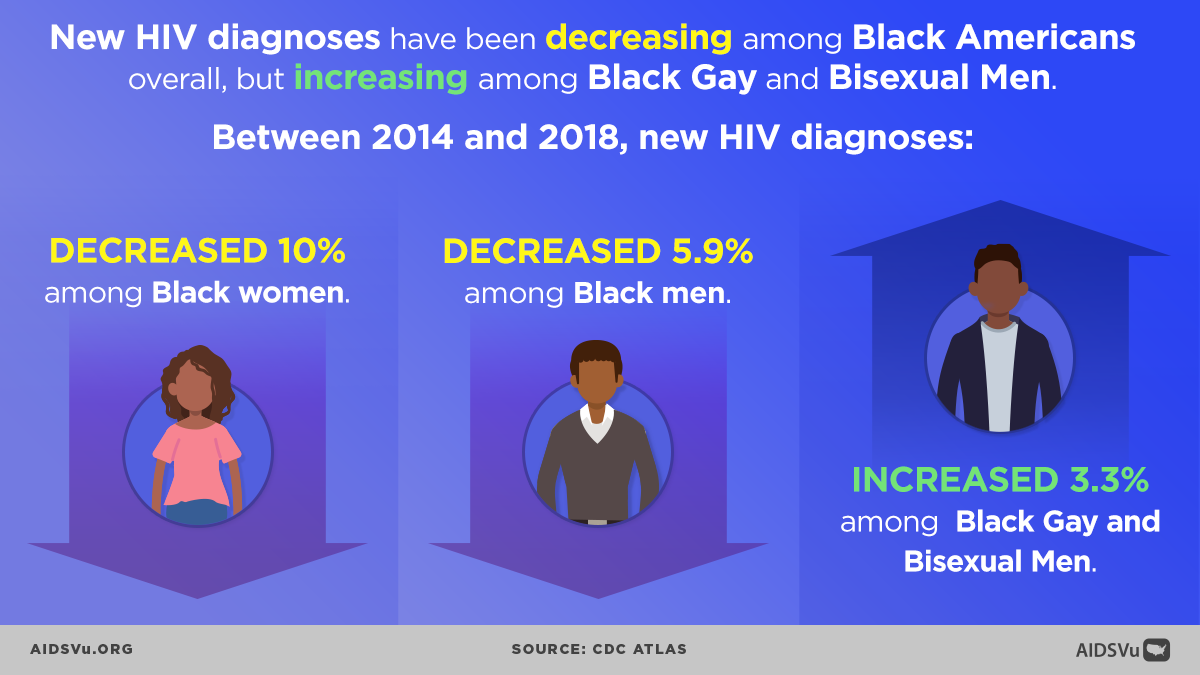
New HIV diagnoses have been decreasing among Black Americans overall, but increasing among Black Gay and Bisexual Men. Between 2014 and 2018, new HIV diagnoses increased among Young Black Gay and Bisexual Men by 12.3%. This demonstrates a clear need to expand awareness of and access to HIV prevention and testing services for all Americans but to increase targeted outreach to those groups disproportionately impacted by HIV.
NBHAAD is a day to increase awareness of comprehensive HIV prevention strategies, especially in Black communities. One of the most effective strategies to prevent new HIV diagnoses is encouraging those at risk to take pre-exposure prophylaxis (PrEP), a daily medication that lowers their chances of an HIV infection. The use of PrEP has increased significantly over the last several years, however important disparities in PrEP use exist. According to CDC, only 5.9% of Black individuals who were at risk for HIV in 2017 were receiving PrEP, compared to 42.1% of White individuals. This significant disparity in PrEP use illustrates the need for comprehensive strategies to increase access to and use of PrEP—especially in Black communities and other populations disproportionately affected by HIV.
For this year’s NBHAAD, we must recognize ending the HIV epidemic is a collective effort and everyone can help reduce HIV stigma and promote access to HIV testing, prevention, and treatment services in Black communities.
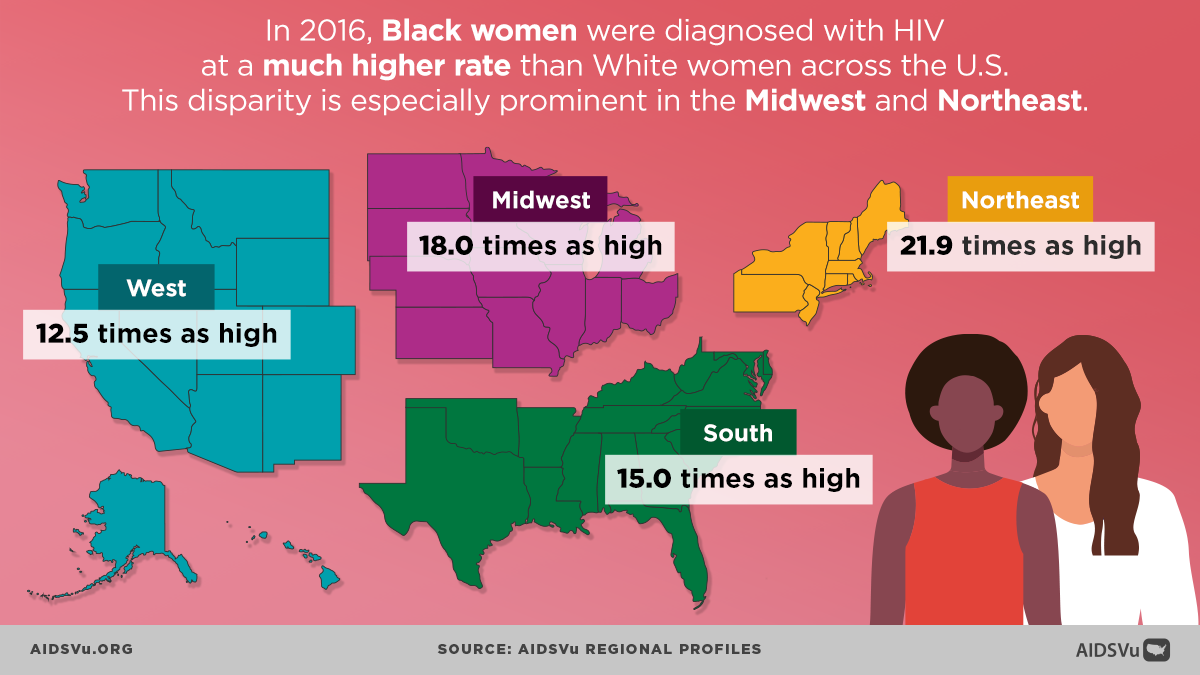
Share our Infographics

On National Black HIV/AIDS Awareness Day, get involved and help end the nation’s HIV epidemic:
- EDUCATE FAMILY AND FRIENDS: View our local statistics to see how HIV impacts your community.
- LEARN MORE: Check out CDC’s page on HIV Among African Americans to learn the prevention challenges and the work the CDC is doing.
- GET TESTED: Visit AIDSVu.org/testing to find a testing site near you.
- FIND PrEP PROVIDERS: Use AIDSVu’s PrEP locator to find a local PrEP provider.
The data for the infographics is from the following sources:
Vu Q&A: Raniyah Copeland on the Black Plan to End HIV in America
Raniyah Copeland, MPH, President and CEO of Black AIDS Institute (BAI), discusses BAI's new state of AIDS report, We The People: A Black Plan to End HIV, and how anti-Black racism contributes to the disproportionate impact HIV has on Black communities.
Learn MoreVu Q&A: Raniyah Copeland on the Future of HIV in the Black Community
Raniyah Copeland, MPH, President and CEO of Black AIDS Institute (BAI), discusses her vision for the future of BAI.
Learn More