
On April 18, AIDSVu recognizes National Transgender HIV Testing Day (NTHTD) and acknowledges the disproportionate impact of HIV on the transgender community while encouraging routine HIV testing, prevention, and care among transgender and gender non-binary people. Recent data continue to highlight disparities in HIV outcomes and lived experiences, as well as the importance of equitable, affirming approaches to care.
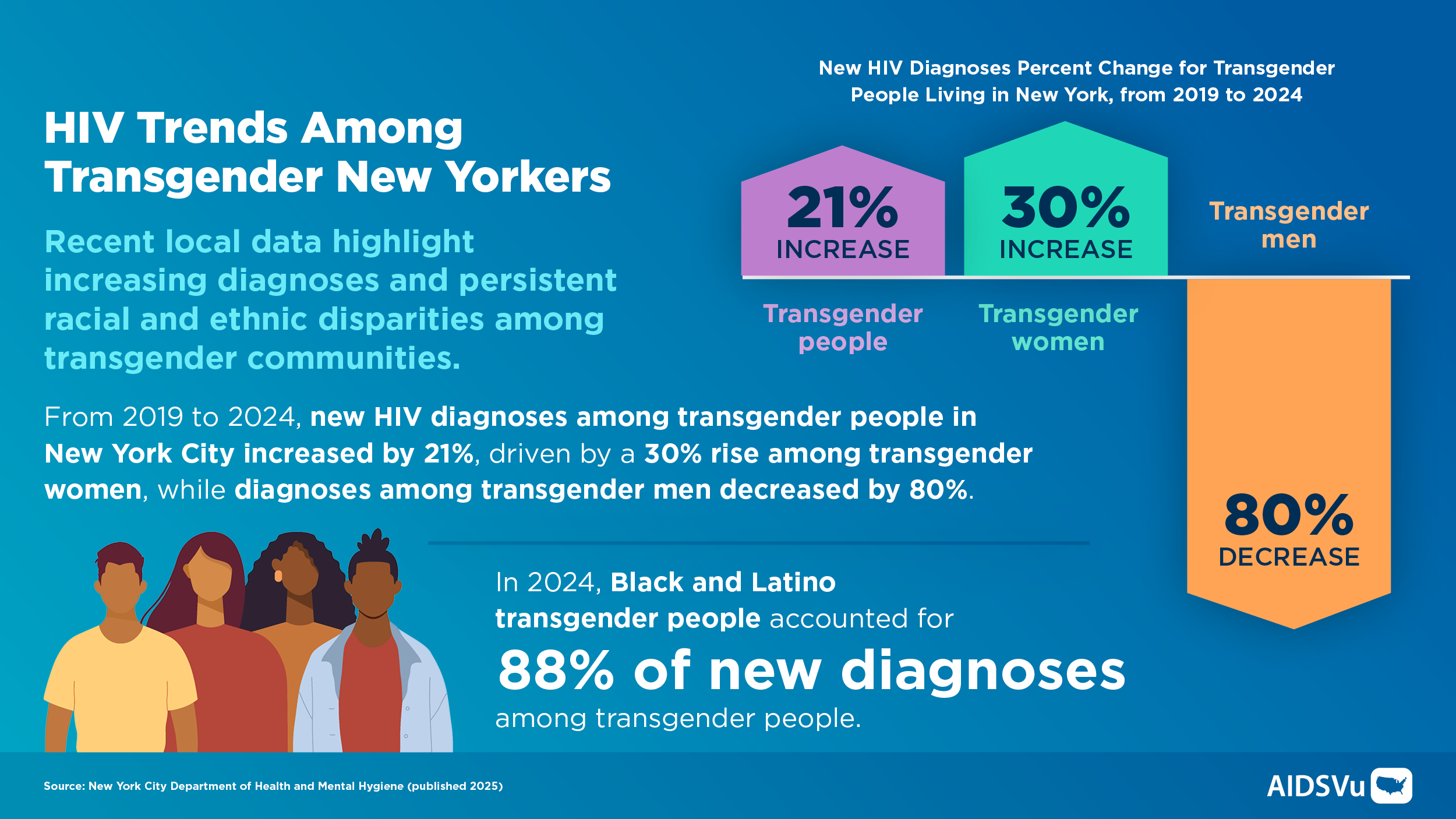
Recent data show persistent disparities in HIV diagnoses and outcomes among transgender people. From 2019 to 2024, new HIV diagnoses among transgender people in New York City increased by 21%, driven by a 30% rise among transgender women, while diagnoses among transgender men decreased by 80%. In 2024, Black and Latino transgender people accounted for 88% of new HIV diagnoses among transgender individuals, underscoring ongoing racial and ethnic inequities.
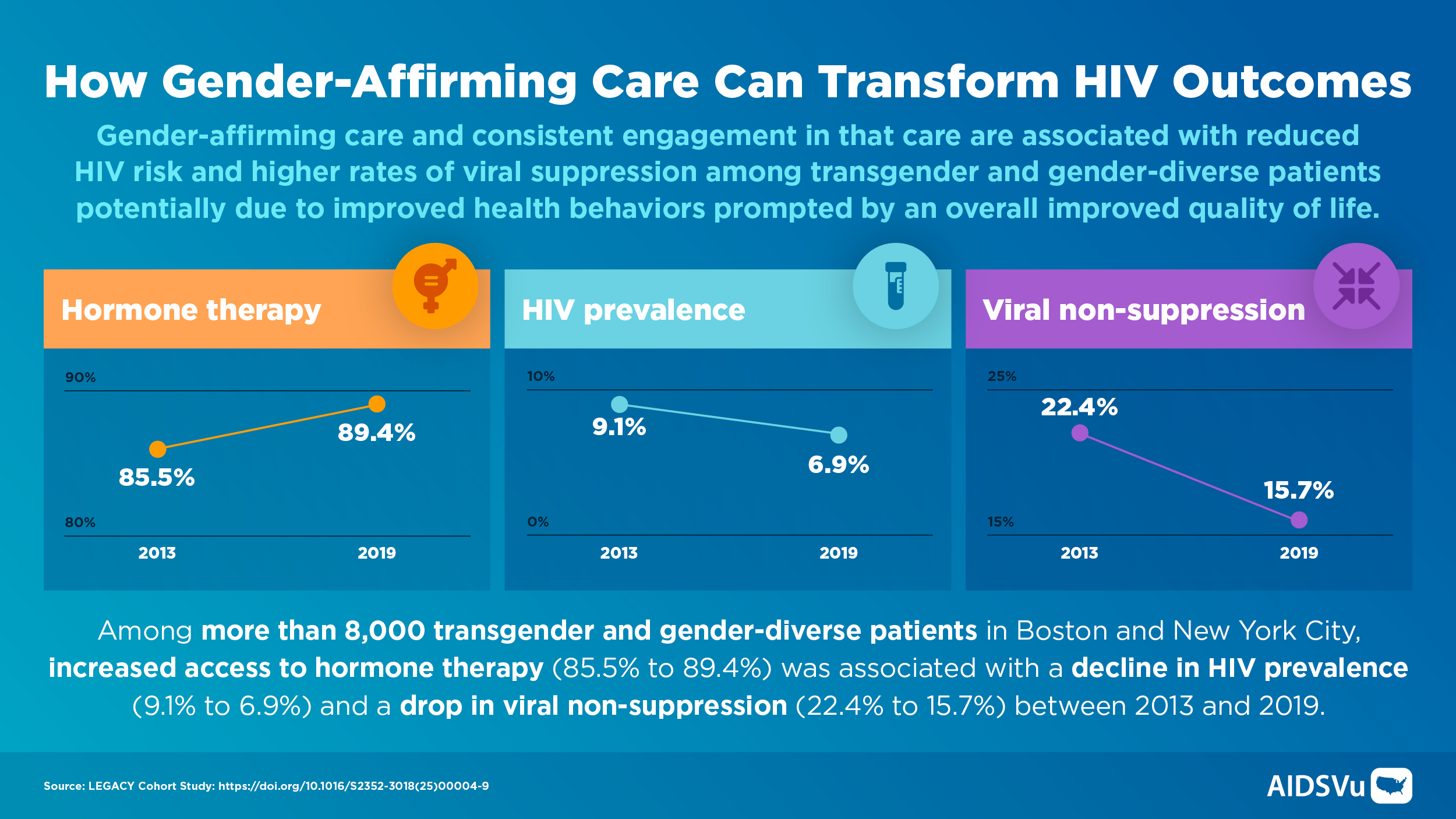
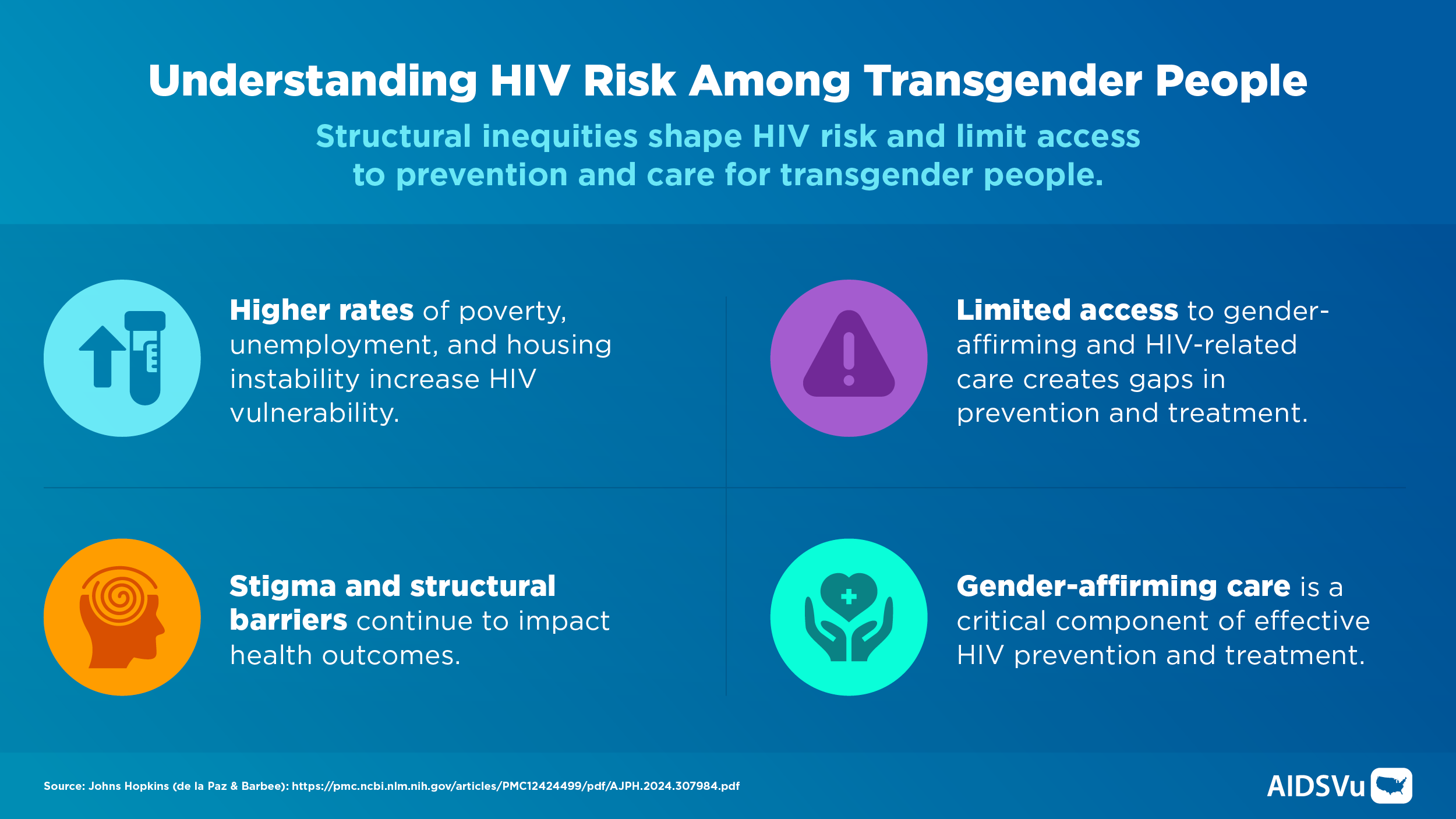
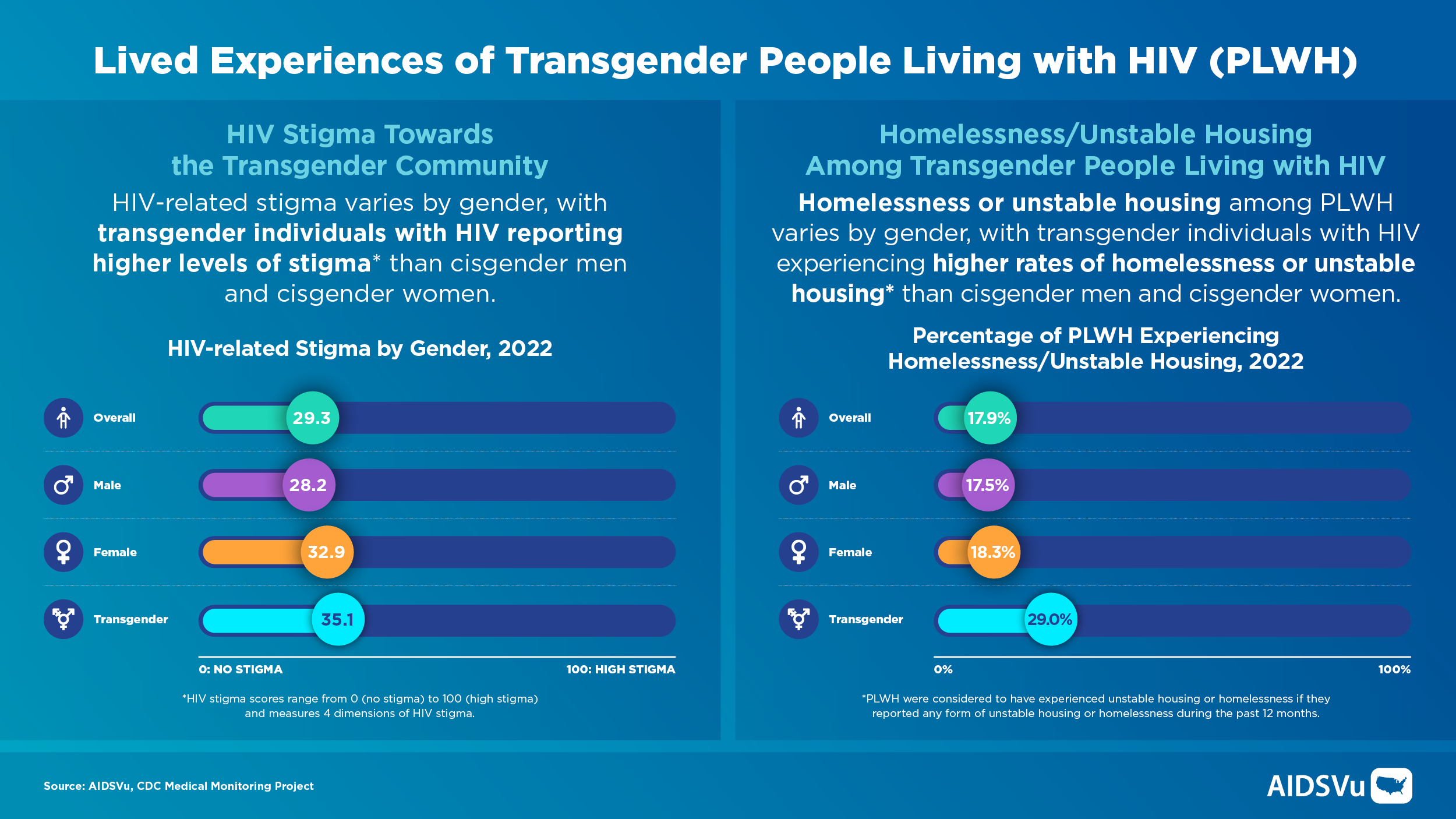
Transgender people often experience structural and social barriers that impact HIV risk and access to care. Higher rates of poverty, unemployment, and housing instability increase vulnerability, and transgender people living with HIV report higher levels of stigma and higher rates of homelessness or unstable housing compared to cisgender populations. Limited access to gender-affirming and HIV-related care further contributes to gaps in prevention and treatment. At the same time, evidence shows that access to gender-affirming care is associated with improved outcomes, including increased viral suppression and reduced HIV risk.
According to data from the Ryan White HIV/AIDS Program, in 2022, 73% of transgender women and 64% of transgender men living with HIV lived below the federal poverty level. Transgender individuals living with HIV also reported higher rates of homelessness or unstable housing than cis-men or cis-women living with HIV in 2021.
There has historically been a lack of comprehensive data on transgender people living with HIV, which continues to limit targeted public health planning, resource allocation, and effective programming for this community. Recent limitations in the availability and completeness of federally reported transgender health data further compound these challenges, meaning some data may be less current or comprehensive than in previous years. AIDSVu uses data-driven public health insights to highlight these gaps and incorporates the most recent available local and peer-reviewed data to inform understanding of HIV impacts, barriers to care, and opportunities for intervention among transgender individuals.
Explore our Resources
AIDSVu’s infographics are meant to encourage new ways of visualizing the HIV epidemic among Transgender, non-binary, and AGI people. Share them on social, print them out as one-pagers, and add them to your presentations. Download all our infographics here
How Gender-Affirming Care Can Transform HIV Outcomes
Understanding HIV Risk Among Transgender People
HIV Trends Among Transgender New Yorkers
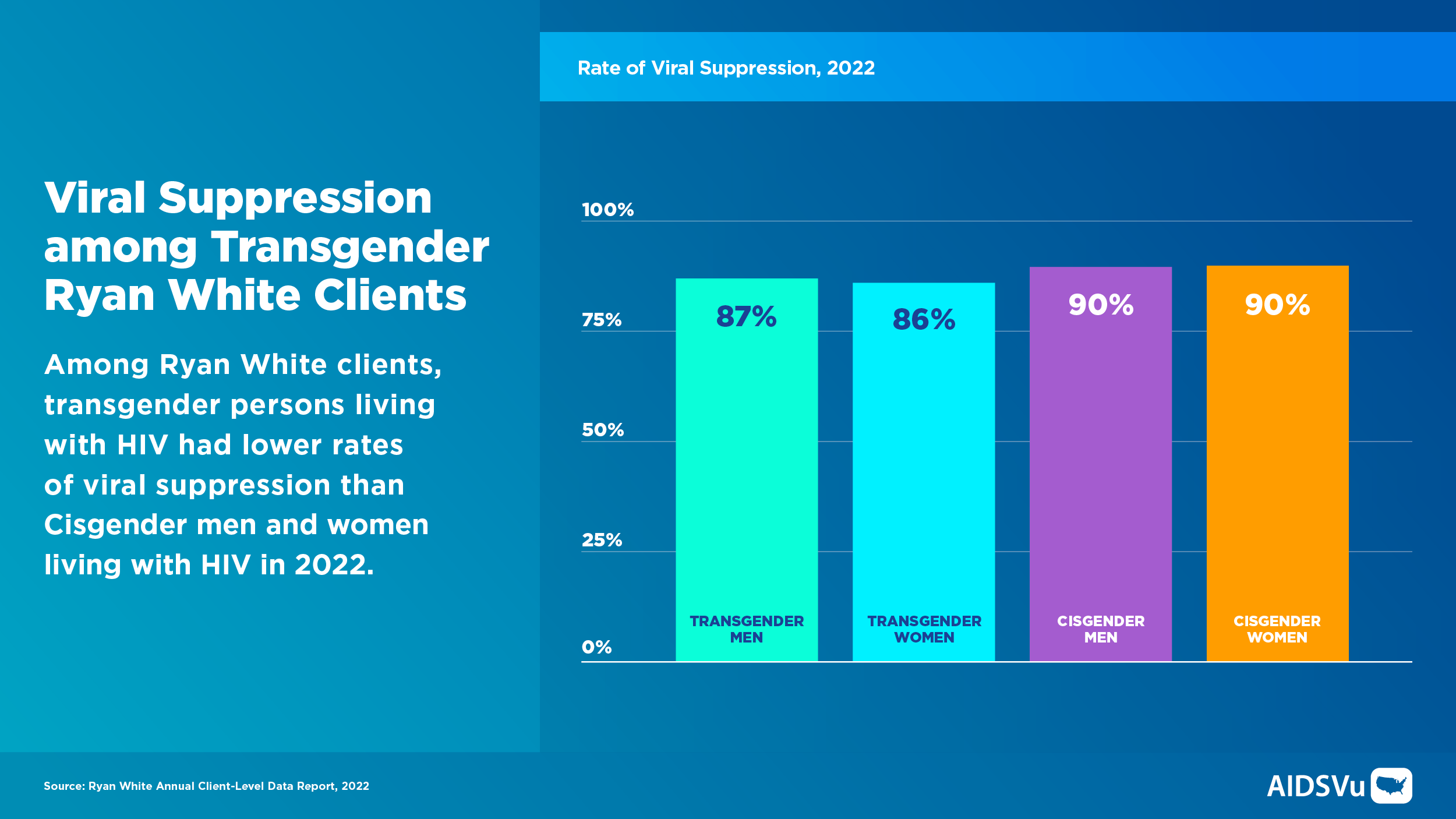
Viral Suppression among Transgender Ryan White Clients
Lived Experiences of Transgender People Living with HIV (PLWH)
Update your LinkedIn, Facebook, and X banners to show your support for #NTHTD.
Facebook/LinkedIn
Twitter/X
Facebook/LinkedIn
Twitter/X
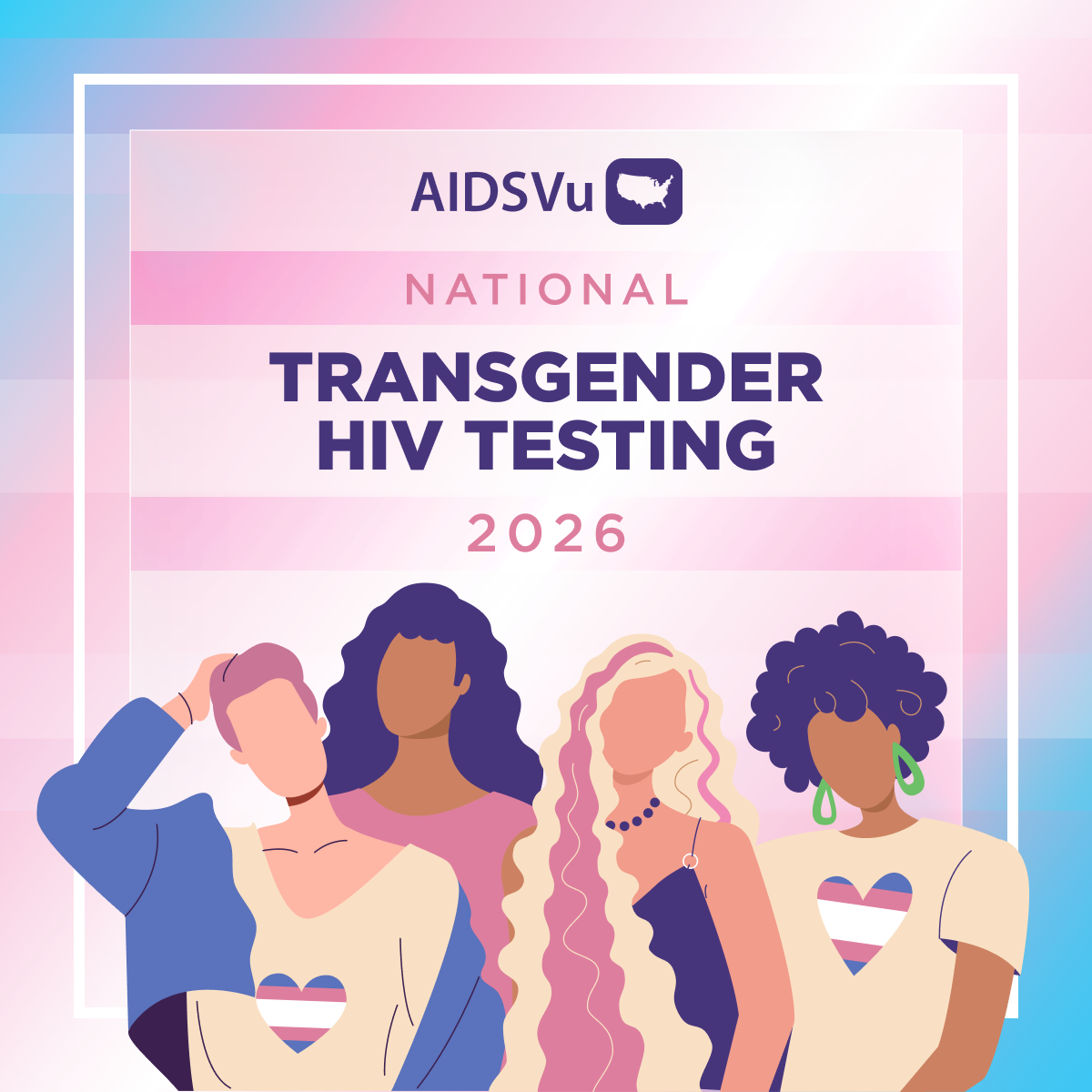





Share these social media posts and infographics on LinkedIn, X, and Facebook to help spark conversations with #NTHTD.
LinkedIn Post 1
April 18 is National Transgender HIV Testing Day (#NTHTD). Today, we recognize the disproportionate impact of HIV on transgender communities and the structural barriers that continue to limit access to prevention, testing, and care.
Addressing HIV requires more than awareness — it requires expanding access to gender-affirming, stigma-free care and meeting people where they are.
Explore resources and learn more: https://aidsvu.org/resources/toolkits/national-transgender-hiv-testing-day-toolkit-2026/
LinkedIn Post 2
This #NTHTD, we’re reminded that HIV outcomes are shaped by more than individual behavior. Structural factors — including housing instability, poverty, stigma, and limited access to affirming care — continue to impact the health of transgender people.
Supporting transgender communities means addressing these barriers and investing in equitable, community-informed solutions.
Learn more: https://aidsvu.org/resources/toolkits/national-transgender-hiv-testing-day-toolkit-2026/
LinkedIn Post 3
Gender-affirming care plays a critical role in improving HIV outcomes. When transgender people have access to affirming, consistent care, they are more likely to engage in prevention, stay in care, and achieve better health outcomes.
This #NTHTD, we support efforts to expand access to inclusive, person-centered HIV services.
Find resources and testing services: https://aidsvu.org/services/#/testing
X Post 1
April 18 is National Transgender HIV Testing Day. #NTHTD is a time to recognize the disproportionate impact of #HIV on transgender communities and the need for equitable access to testing, prevention, and care.
Learn more: https://aidsvu.org/resources/toolkits/national-transgender-hiv-testing-day-toolkit-2026/
X Post 2
HIV outcomes are shaped by more than healthcare alone. Stigma, housing instability, and limited access to affirming care continue to impact transgender communities.
Addressing these barriers is key to ending the epidemic. #NTHTD
https://aidsvu.org/resources/toolkits/national-transgender-hiv-testing-day-toolkit-2026/
X Post 3
Access to gender-affirming care is essential to improving #HIV outcomes.
This #NTHTD, we support expanding inclusive, stigma-free care and encouraging routine HIV testing.
Find testing services near you: https://aidsvu.org/services/#/testing