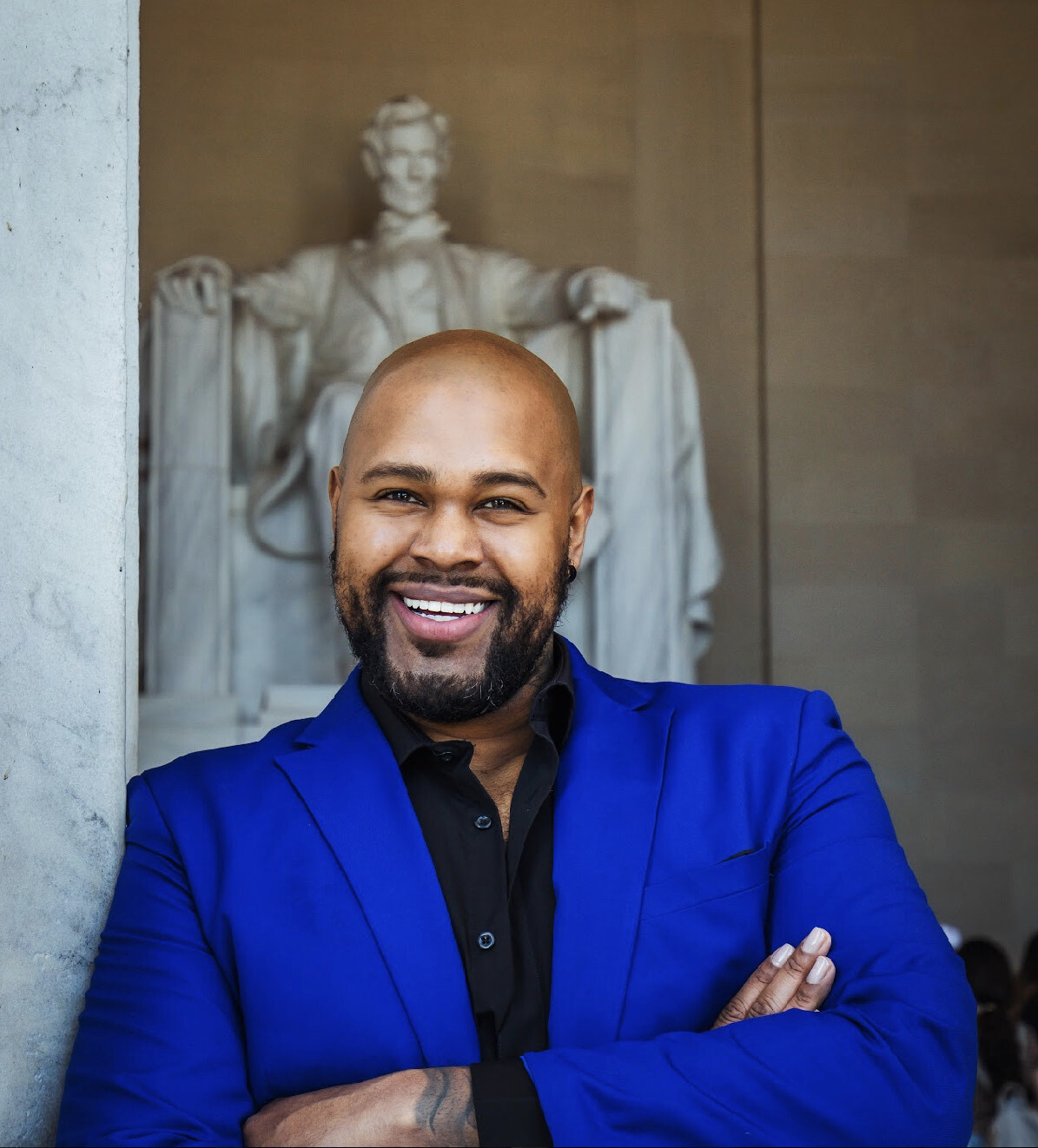
Rachel Klein is the Deputy Executive Director of The AIDS Institute, a national nonprofit that promotes action for social change through public policy, research, advocacy, and education on HIV, hepatitis, and other health conditions. A leading health policy expert with more than two decades of experience working to expand access to affordable health coverage, Klein leads the organization’s work on Medicaid, the Affordable Care Act, and insurance access for people living with and vulnerable to HIV.
Can you tell us about your work at The AIDS Institute and why Medicaid and insurance policy are so central to your HIV advocacy?
At The AIDS Institute, we focus on ending the HIV epidemic by increasing access to health care. Medicaid is the nation’s most important source of coverage for both HIV treatment and prevention. It insures 42% of people living with HIV, and accounts for 45% of federal HIV treatment funding, roughly five times the funding provided through the Ryan White program each year. Medicaid also provides access to whole person health care – that means that people living with HIV get coverage for any health issue they have, not just HIV-related conditions. It is also the largest provider of HIV prevention efforts in the United States.
Research we’ve highlighted on AIDSVu shows that people without health insurance took more than four times longer to start PrEP after receiving a prescription — 21 days versus 5. What barriers stand between a prescription and actually starting PrEP for people without coverage?
Cost is still the primary barrier to PrEP for people who are uninsured. The U.S. doesn’t have a safety net to provide access to HIV prevention other than Medicaid and Federally Qualified Health Centers (FQHCs), which is why many of us have been advocating for a national HIV prevention program. So, people without insurance are stuck paying full price for prescription drugs, unless and until they are able to enroll in a manufacturer’s Patient Assistance Program or they have access to an FQHC’s pharmacy for discounted drugs. People without insurance also have less consistent access to providers and labs, which means it can be difficult to maintain consistent access to PrEP.
The CMS interim final rule defined the “medically frail” exemption much more narrowly than advocates hoped, meaning many people living with HIV won’t clearly qualify. Who’s most at risk of falling through the cracks, and what happens to their treatment when they do?
In the interim final rule, CMS narrowed the medical exemption from Medicaid work requirements to people who are unable to work because of their condition. That is a highly subjective standard, and CMS provided no guidance on how to assess whether someone is too sick to work. CMS also stated specifically that people living with HIV who are in treatment and virally suppressed are not candidates for a medical exemption on the basis of their HIV status alone. So, the people at greatest risk of losing coverage are those whose treatment is working.
Many people will lose coverage even if they are working, because added red tape always causes coverage losses. And it is not only the work requirement: HR 1 also requires people covered through Medicaid expansion to renew at least every six months rather than annually. That is another recipe for coverage loss, given the additional time, effort, and likelihood of bureaucratic error involved. It is also worth remembering that more than half of people living with HIV are over the age of 50, which brings its own challenges to obtaining and maintaining stable employment.
When people living with HIV lose coverage, they will likely turn to the nearest Ryan White HIV/AIDS Program clinic and to ADAP. These programs are already under significant fiscal strain from cuts to the Affordable Care Act, inflation, growing enrollment, and the absence of any meaningful funding increase in well over a decade. We are concerned that an influx of people who have lost Medicaid will only add to that pressure and force further cutbacks for everyone. The same is true of rural hospitals and other safety-net providers. The result, we fear, is more people living with HIV unable to get the care they need.
Our new 2025 data show Medicaid expansion states had PrEP use rates 1.3 times higher than non-expansion states — and a PrEP-to-Need Ratio more than twice as high. What is it about Medicaid coverage, concretely, that drives PrEP uptake — and what does that tell us about what’s at stake as coverage is pulled back?
Put simply, Medicaid covers HIV screening, PrEP and PrEP-related services for free or very low cost. And Medicaid provides access to providers who can prescribe PrEP. Uninsured people in the US are often left without a consistent source of care, and they are often unable to afford necessary health care, including PrEP. While manufacturer assistance programs can help people get a prescription for PrEP filled, they don’t cover the provider visit or the labs. Because Medicaid is the largest source of federal funding for PrEP, it is likely that Medicaid cuts will result in many fewer people having PrEP access.
PrEP has a Grade A recommendation from the U.S. Preventive Services Task Force (USPSTF), which requires most private insurance plans and Medicaid expansion plans to cover PrEP with zero patient cost-sharing. With the Task Force overhauled and a new membership being seated this summer, how secure is that recommendation — and what happens to PrEP access if it’s weakened or withdrawn?
I am very concerned about the future of PrEP coverage because of the threats to the USPSTF. The Grade A rating is what requires insurers to cover PrEP without cost-sharing. That system is not perfect — The AIDS Institute has analyzed the significant enforcement problems at length — but the basic requirement makes a real difference. If the recommendation is weakened or withdrawn, insurers are unlikely to continue covering PrEP without cost-sharing, and they may limit coverage to generic daily oral PrEP. That would make PrEP harder to get even for people who have insurance.
That said, the USPSTF is generally a slow-moving and deliberative body, so I hope there is some time before the PrEP recommendation could be changed. In the meantime, we should be building alternative protections, including state and federal legislation requiring all health insurance programs to cover PrEP without cost-sharing.
I am also concerned about other USPSTF recommendations, because people vulnerable to and living with HIV need other effective preventive services as well. We are working with advocates representing people with other chronic conditions to raise awareness about the Task Force, its recommendations, and the importance of preserving the scientific integrity behind health policy.
For readers who want to act — providers, health departments, or people on PrEP themselves — how can they advocate for access to HIV prevention and treatment?
There are so many issues that need our attention right now: funding for Ryan White and other HIV-related programs, ensuring that people living with HIV are exempt from the Medicaid work requirement, restoring the enhanced premium tax credit for Marketplace coverage, and pushing back on administrative rulemaking that makes it harder to serve people living with HIV and vulnerable to HIV. We also have not given up on legislation that protects access to PrEP in the states and in Congress. Our colleague organization, AIDS United, maintains excellent action alerts that we fully endorse and encourage people to engage with: https://aidsunited.org/policy-action-center/. The AIDS Institute also has a number of explainers and talking points on our website that we hope readers will find useful: www.theaidsinstitute.org.
We cannot give up now. Making your voice heard and sharing your story with elected officials and other policymakers is the single most effective advocacy tool we have. People often assume they need to be policy experts to weigh in, but you don’t. You only have to care about protecting access to HIV prevention and treatment and be willing to make a call or send an email. I hope everyone reading this will do exactly that.